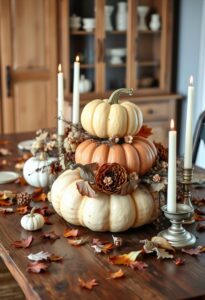
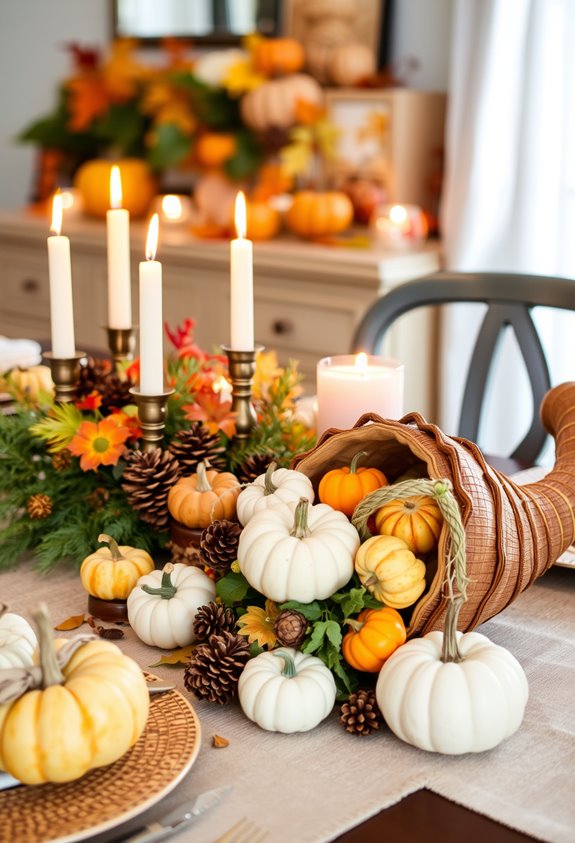
Kids remember these Thanksgiving decor traditions because they’re built on rituals, sensory overload, and real participation — not passive observation. Repeated rituals wire stronger long-term memories. Handmade crafts capture specific moments nobody forgets. Familiar smells, sounds, and colors hit multiple brain regions simultaneously. That’s not coincidence — that’s how memory actually works. When kids own a role in the tradition, belonging follows automatically. There’s a lot more happening beneath these nine traditions than you’d expect.
Decorating Together as a Family Sticks With Kids for Years
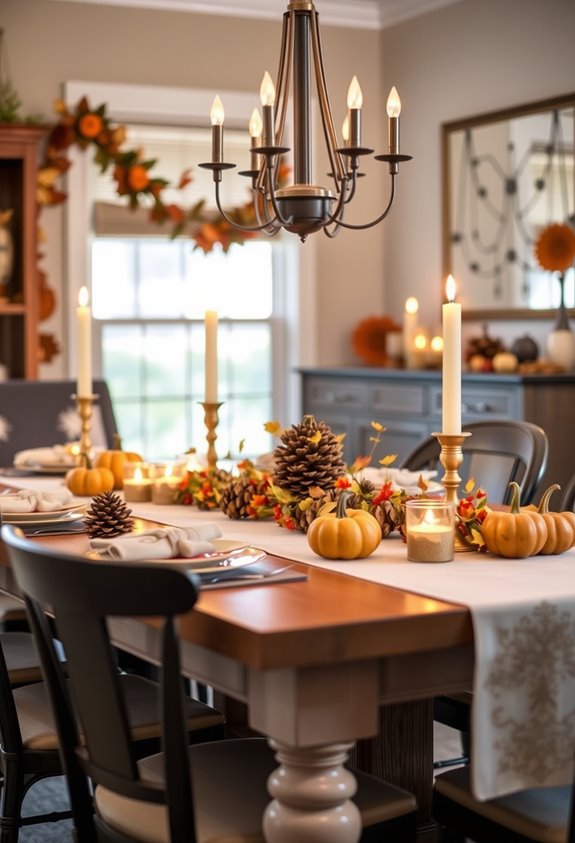
Every year, the same box of decorations comes out, and something clicks for kids. It’s not magic. It’s memory. When you decorate together as a family, you’re not just hanging a paper turkey on the door — you’re creating an emotionally rich experience kids actually hold onto. Passive observation? Forgettable. Doing something together? That sticks.
Repeated rituals build stronger long-term memories than one-time events. Simple. Consistent. Powerful. Kids begin recognizing that pulling out the decorations means Thanksgiving has begun. That predictability matters more than you think.
The laughter, the teamwork, the conversation — it all strengthens social bonding in ways that last well into adulthood. Your family’s decorating routine becomes part of their identity. That’s not small. That’s everything. Kids can even make handmade ornaments or decorations to send home with guests, extending the tradition beyond your own walls.
Why Handmade Turkeys Become Childhood Keepsakes
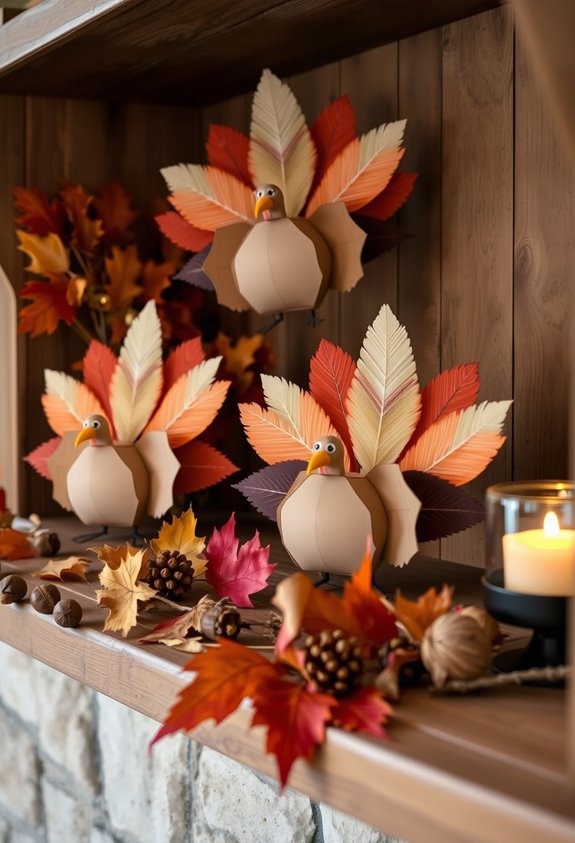
That lopsided paper turkey with the googly eye falling off? It’s not junk. It’s a memory device. Your kid’s brain locked in every snip, every smear of glue, every creative decision they made. That’s how episodic memory works — it grabs the whole sensory experience, not just the finished product.
The imperfections matter too. That crooked beak and uneven feathers make the piece visually unique, which makes it stickier in memory. No two look alike. That’s the point.
And when it sits on the shelf year after year, it keeps triggering that stored memory. The turkey becomes evidence — proof of who your kid was at a specific age. That’s not just a decoration. That’s a personal archive. Don’t underestimate it. For a more lasting keepsake, some families are even swapping paper for handmade Turkish ceramics, which are crafted from natural materials and built to endure for generations.
Setting the Thanksgiving Table Gives Kids Real Ownership
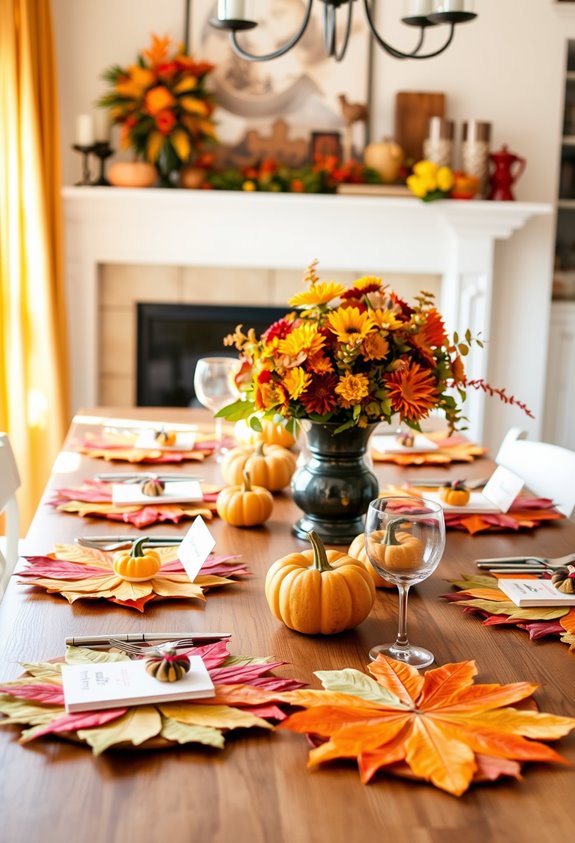
That distinction is huge. Active contribution makes inclusion visible. Your kid touches the linens, arranges the plates, notices the details. Those sensory cues — the texture, the layout, the finished result — attach meaning to the moment. That’s why they remember it.
Repeated year after year, the task becomes identity. Not just “we do Thanksgiving” but “I’m the one who sets the napkins.” That’s belonging. Concrete, earned, unmistakable. No explanation required. Rituals like this also provide stability and continuity that children carry with them even during times of stress or change.
Why a Kids’ Special Table Feels Like Such a Big Deal
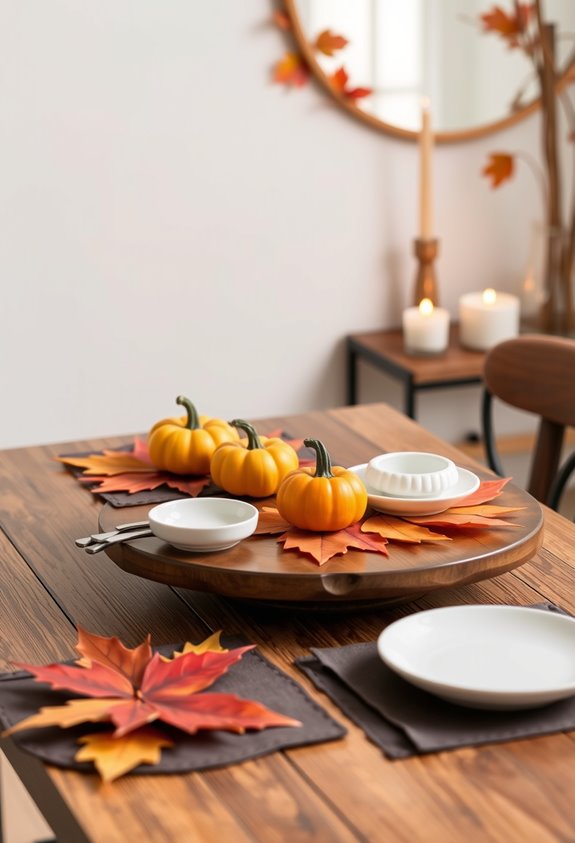
A kids’ table isn’t a consolation prize. It’s a signal. This space was built for you. The sizing, the decorations, the mini pumpkins — none of that happened by accident. Someone made it intentional. Kids notice that.
The peer factor matters too. You’re not stuck nodding through adult conversations about mortgage rates. You’re laughing with people who actually get you. Same interests. Same energy. Same chaos.
Add crayons, craft-paper runners, and a few simple activities, and suddenly it’s not just a meal — it’s an event. Covering the table with butcher paper gives kids a canvas for drawing that doubles as their own personal placemat.
That combination of ownership, comfort, and peer connection is hard to replicate. It’s why the kids’ table sticks in memory long after the turkey’s gone.
The Gratitude Table Tradition That Kids Never Forget
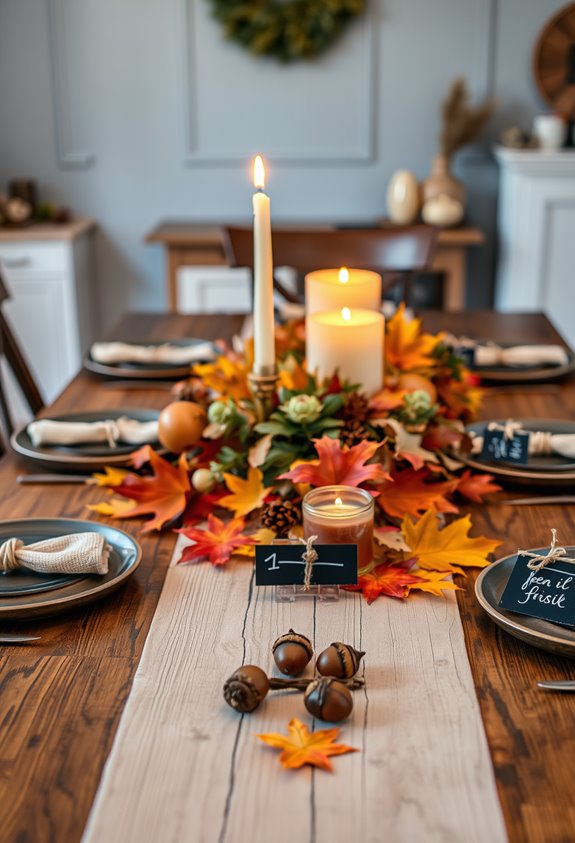
Simplicity is what makes the gratitude tablecloth tradition work. A plain white tablecloth. Fabric markers. Your whole family gathered around it. That’s it. Every year, everyone writes what they’re grateful for, signs their name, and dates it. The cloth keeps everything. Names of people who’ve since passed. Messages from kids who now have kids of their own. It grows.
Here’s what makes it stick for children specifically:
- Young kids can trace hands or draw instead of write
- Reading old messages becomes its own annual event
- The tablecloth becomes a visible family timeline
- Everyone participates, no one gets left out
It’s not fancy. It doesn’t require much. But decades later, your kids will remember exactly what was written on that cloth. Another simple approach involves placing small notes on dinner plates with questions, jokes, and quotes that prompt kids to think and talk about what they’re grateful for, turning thankfulness into conversation.
Thankful Banners That Become Part of the Thanksgiving Ritual
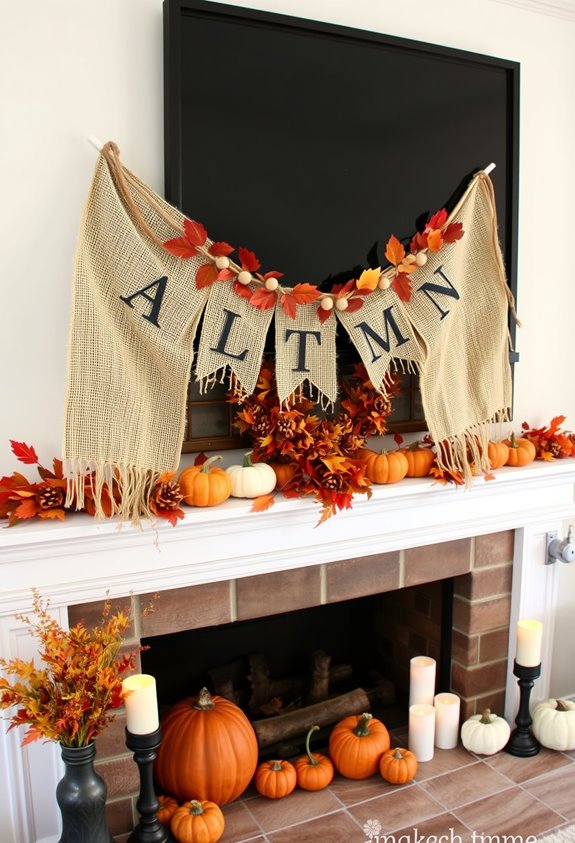
Making a thankful banner isn’t just a craft project—it’s a ritual your kids will start expecting every November. And that’s exactly the point.
Unlike a store-bought decoration nobody touches twice, a thankful banner gets revisited. Kids cut, glue, color, and add new leaves throughout the season. They’re building something together, not just watching it hang there.
Placement matters too. Kitchen doorways, high-traffic hallways—anywhere the whole family passes multiple times daily. That repeated exposure turns decoration into memory.
Here’s what makes it stick: personalization. When your kids see their own words on that banner, it stops being décor. It becomes a family record. Their contributions are right there, visible and recognized. For a ready-made option, customizable Thanksgiving banners let families add personal messages of gratitude that greet guests throughout the season.
Same banner. Same spot. Every year. That’s how traditions actually form.
Saving Decorations Year After Year Builds Lasting Memories
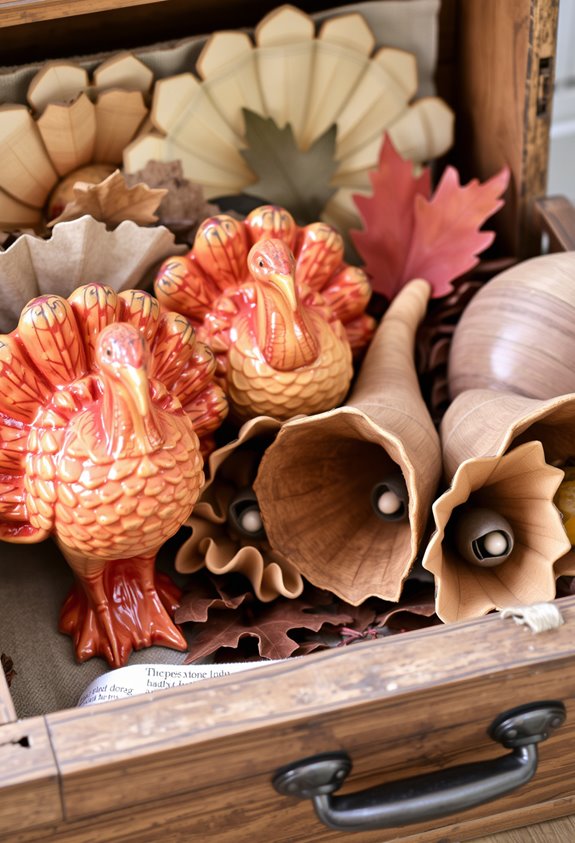
That ratty paper turkey your kid made in second grade? Keep it. Seriously. Saved decorations don’t just fill a box in your closet — they become memory anchors your family returns to every year. Unpacking the same items annually creates continuity, and continuity builds belonging.
Saved decorations aren’t clutter — they’re memory anchors your family returns to, year after year.
Here’s why it works:
- Familiar decorations trigger recall of past celebrations
- Repeated exposure connects objects to family routines and seasonal meaning
- Labeled items tie specific moments to specific years
- Simple handmade pieces gain meaning through accumulated shared experiences
Your kids won’t remember the fancy centerpiece you bought once. They’ll remember the lopsided turkey with their name scrawled in crayon. That’s not sentiment talking — that’s how memory actually works. Repetition wins. Every single time.
Handmade crafts built around process art principles remove pressure from little ones and shift the focus to the experience itself, which is exactly what makes those pieces worth saving in the first place.
The Smells, Sounds, and Sights That Make Thanksgiving Feel Like Thanksgiving
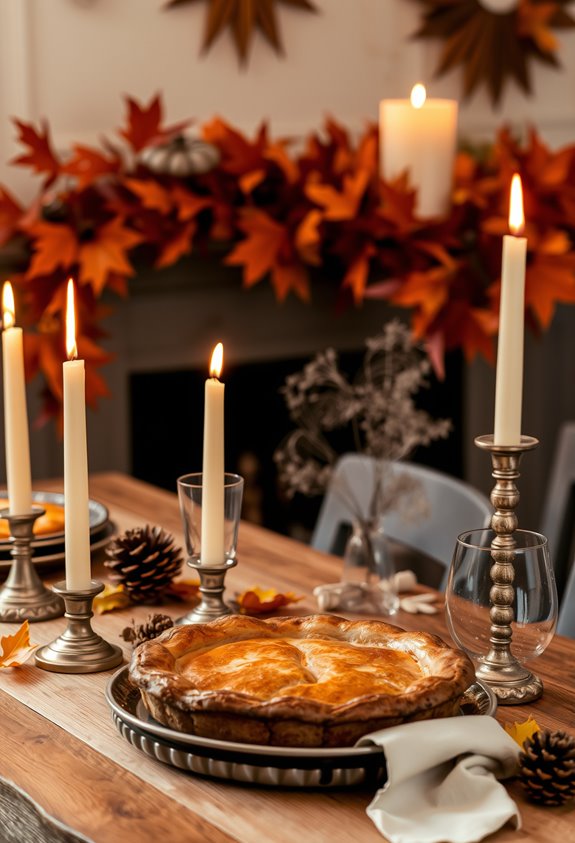
Every Thanksgiving smells the same. Turkey roasting, cinnamon drifting from the oven, pumpkin pie cooling on the counter. That’s not an accident. Smell connects directly to the brain regions handling emotion and memory, which means those kitchen aromas aren’t just pleasant — they’re practically hardwired into your kids’ long-term recall.
Then come the sounds. Sizzling pans, timer alarms, voices getting louder as more family arrives. Football in the background. Laughter from somewhere down the hall. It all stacks up into one recognizable annual event.
And the visuals lock it in. Orange, gold, brown. Dishes crowding every surface. A decorated table that looks basically the same every year.
When sight, sound, and smell hit simultaneously, kids don’t just notice Thanksgiving. They remember it. Festive wreaths and garlands adorning doorways and mantels give the season a distinct visual signature that children carry with them long after the holiday ends. Festive wreaths and garlands appear in homes and stores alike, reinforcing that sense of seasonal recognition every time kids walk through a decorated door.
Passing Down Decor Traditions Keeps the Memory Cycle Going
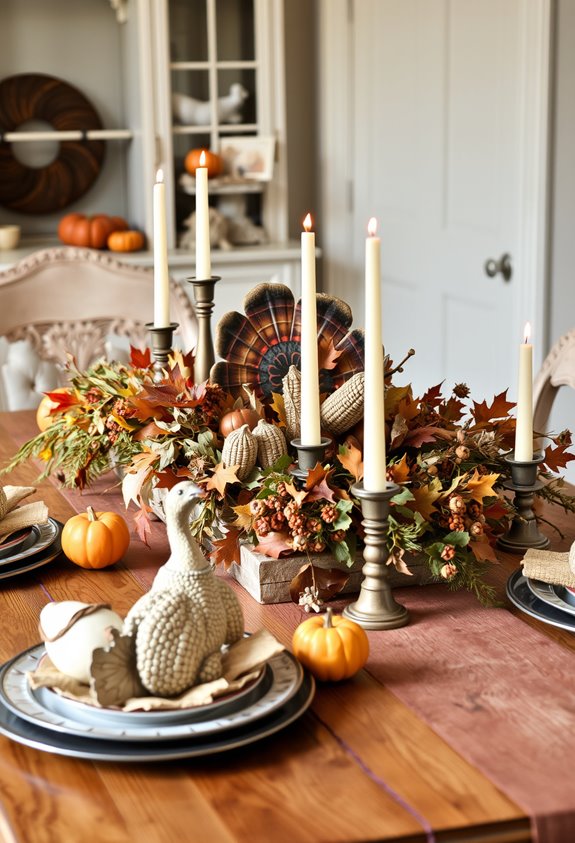
When your kid helps hang the same paper turkey that’s been in the family for fifteen years, something quiet happens. They’re not just decorating. They’re stepping into a story that started before them.
When a child helps hang a decades-old decoration, they aren’t just decorating — they’re stepping into a family story.
Passing down decor traditions does real work:
- Connects kids to family history without a single lecture
- Turns objects into memory anchors they’ll recognize for decades
- Builds a sense of belonging that feels earned, not assigned
- Creates a cycle where today’s kid becomes tomorrow’s keeper
That worn-out turkey isn’t clutter. It’s continuity. When you explain where it came from, who made it, or why you kept it, the tradition gains weight. Kids absorb that. Quietly. Completely. And someday, they’ll hang it for their own kids.
Research shows that fostering cultural pride increases children’s self-esteem and strengthens their connection to family identity over time.
Frequently Asked Questions
At What Age Should Kids Start Participating in Thanksgiving Decorating Traditions?
Kids can start as early as ages 2–3. Yes, really. At that age, they’re placing napkins, slapping on stickers, coloring paper decorations — simple stuff, but it counts.
How Do Thanksgiving Decor Memories Compare to Memories From Other Holidays?
Like a handprint pressed into clay, Thanksgiving decor memories stick differently than other holidays. Christmas? It’s mostly about gifts and Santa. Passive stuff.
Thanksgiving flips that. You’re *making* things together — cutting leaves, building gratitude trees, setting tables with purpose. That hands-on creation builds stronger memory markers.
Other holidays often just happen *to* you. Thanksgiving happens *with* you. That distinction matters more than most people realize. Your family’s involvement is the whole point.
Can Thanksgiving Decor Traditions Still Form Strong Memories in Blended Families?
Yes, they absolutely can. It’s not about which parent’s house has the “right” turkey centerpiece. It’s about repetition and participation.
When kids help make the decor—gratitude garlands, thankfulness jars, handmade pieces—they’re building memories through doing, not just watching. Blended families actually have an advantage here: you’re not locked into inherited traditions. You can create something entirely yours. Consistent, child-led rituals repeated every November? That’s how belonging gets built.
Do Kids From Different Cultures Adapt These Thanksgiving Decor Traditions Differently?
Yes, they do. Korean kids grow up with Chuseok symbols. German kids see harvest fruits and flowers. Japanese kids wear traditional clothing.
You bring your own cultural memory to every table. What feels familiar shapes what sticks. It’s not about turkey centerpieces or wishbones for everyone. Different symbols, different rituals, same emotional core — gratitude. Your background doesn’t block belonging. It actually builds it, just through a different door.
How Does Moving Homes Frequently Affect a Child’s Thanksgiving Decor Memories?
Frequent moves chip away at those decor memories. You lose the same walls, the same shelves, the same spots where the turkey centerpiece *always* sat. That repetition is what makes memories stick.
When decorations get packed, lost, or replaced, the emotional chain breaks. Honestly, stability matters more than you’d think. But here’s the thing — your memory shifts toward the *people*, not the objects. The family connection survives. The decor? Not always.