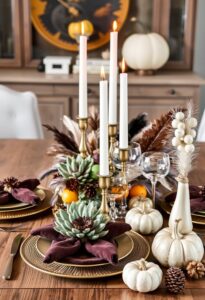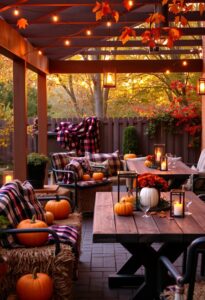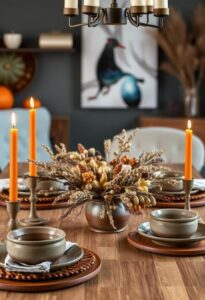
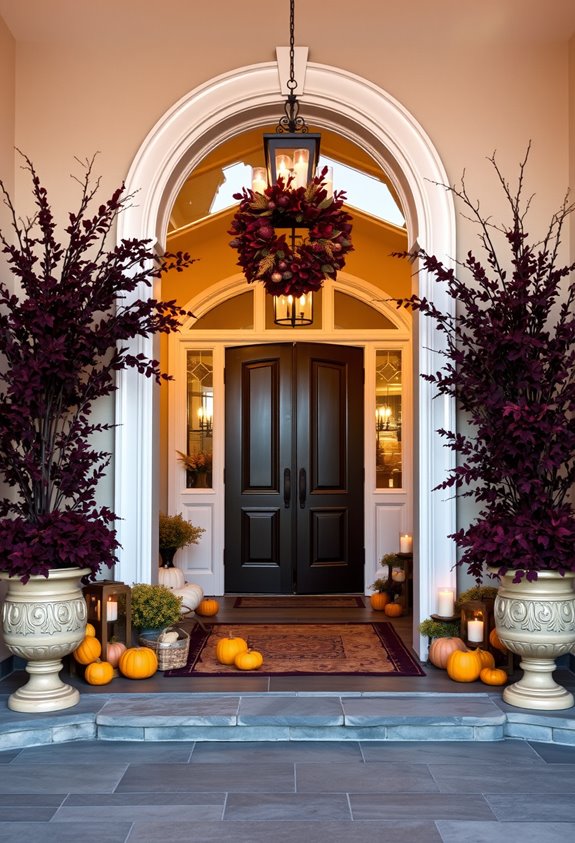
Your entryway absolutely can be the most impressive part of your Thanksgiving home — and it’s easier than you’d think. Start with a tight color palette of burnt orange, mustard yellow, and deep burgundy. Anchor it with a console table, a jute runner, and clustered pumpkins in odd numbers. Add warm candlelight and a personal detail or two. The full breakdown of how to pull it all together is just ahead.
Start Your Thanksgiving Entryway With the Right Color Palette
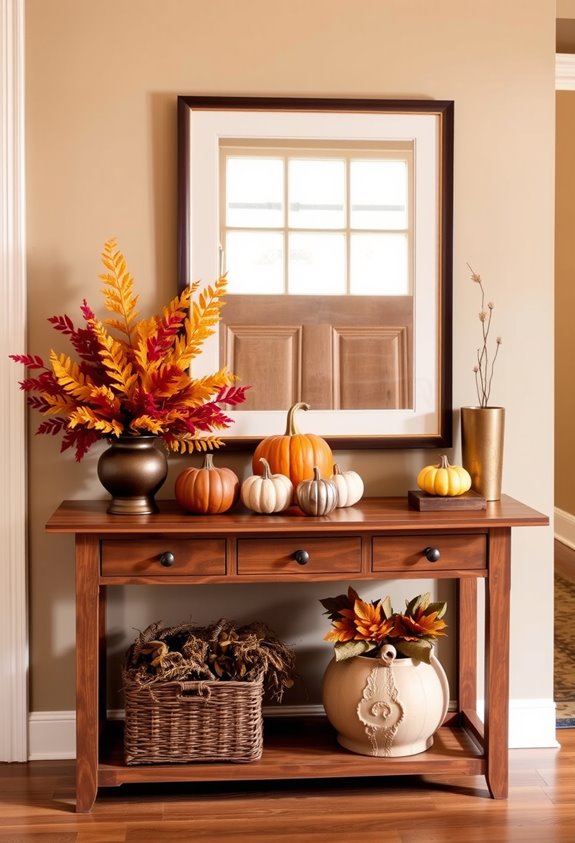
Everything in your Thanksgiving entryway starts with color. Get that wrong, and nothing else saves you. Burnt orange, mustard yellow, olive green, deep burgundy — these aren’t random choices. They’re the colors that actually make a space feel like Thanksgiving. Warm, grounded, intentional.
You don’t need ten colors. You need two or three that work together and repeat. That repetition is what makes a display look deliberate instead of chaotic. Gold and brass accents help, too — they add warmth without screaming for attention.
If your palette feels too intense, neutrals fix that. Cream, taupe, ivory — they soften things without killing the mood. Small entryways can’t absorb visual clutter. Keep it cohesive. Keep it simple. That’s how you make a genuinely strong first impression. Anchoring your palette with nature-inspired fall wreaths on the door ties the whole color story together from the moment guests arrive.
Choose an Entry Surface That Anchors the Whole Display
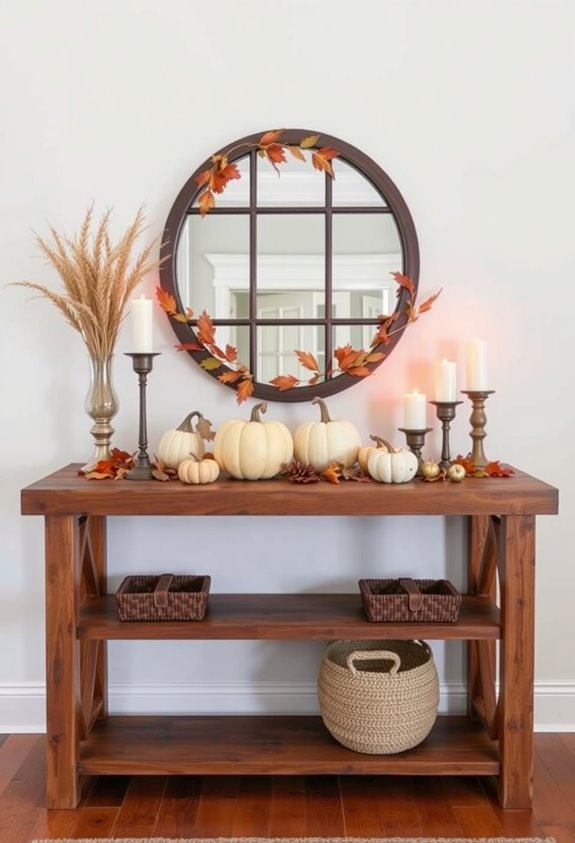
Your entry surface is the foundation — get it wrong and the whole display collapses. Simple as that.
A console table is the go-to anchor, and for good reason. It gives everything else a home.
If your entryway is tight, aim for something 36 to 48 inches wide and under 14 inches deep. You’ll keep the space functional without sacrificing style.
Rustic or distressed wood finishes work especially well — they bring warmth without trying too hard. Light, natural tones keep things bright.
And here’s the part most people skip: treat the surface like a stage for a few large objects, not a shelf for every random thing you own. Less stuff, more intention. That’s the whole game. A reclaimed wood table makes a sturdy base that can handle heavier ceramic pots and oversized lanterns without the display feeling precarious.
Add a Rug or Runner Before You Style Anything Else
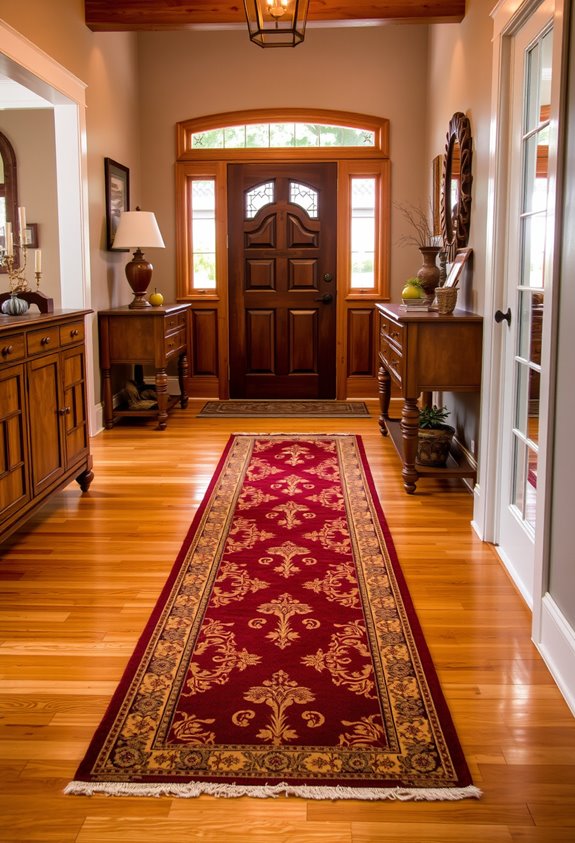
Before you place a single pumpkin or light a candle, drop a rug. Seriously. It’s the first move, and skipping it makes everything else feel unfinished.
A rug anchors your entryway. It defines the space before furniture, decor, or anything seasonal enters the picture. Without it, you’re just styling a hallway. With it, you’ve got a foundation.
Scale matters. A narrow foyer needs a runner. A square entry suits a wider rug centered in the space. Too small looks disconnected. Too large crowds everything.
Leave about four to five inches of floor visible on each side. Center it. Keep it low-pile so nobody trips. Add a non-slip pad.
Get the rug right first. Then style around it. That order isn’t optional. Natural fibers like jute are a smart pick for busy households because they’re affordable and low-maintenance while still adding warmth and texture underfoot.
Bring in Dried Stems, Branches, and Seasonal Foliage
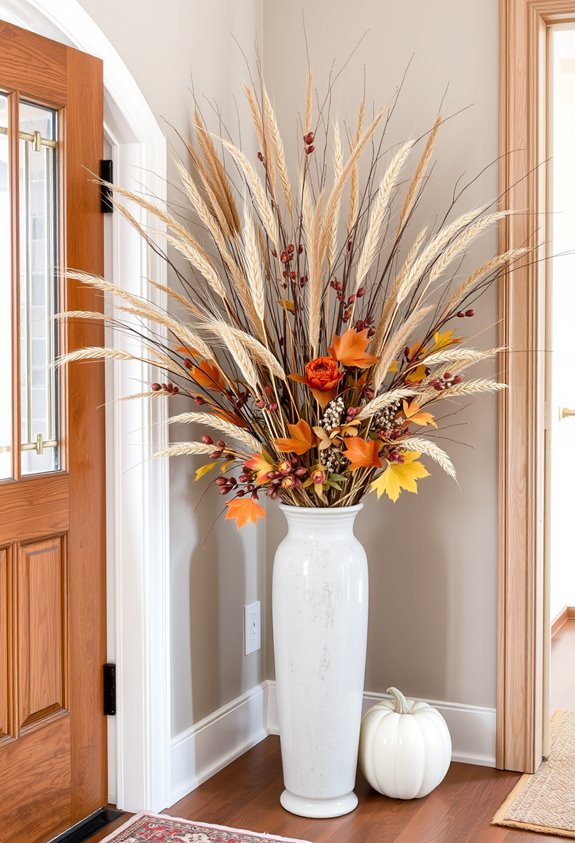
Once the rug is down, you need something with height. Dried stems and branches do exactly that. They add structure, texture, and a quietly intentional look that makes your entryway feel curated instead of accidental.
Clip a few branches from outside. Drop them in a vintage vessel. Done. That’s genuinely all it takes for a console or mantel to feel like a focal point.
Go for fall foliage with some color still in it. Mix in dried grasses if you have them. The contrast between woody stems and softer leaves creates dimension without effort.
Keep the arrangement narrow and simple. A crowded vase doesn’t say “welcoming home.” It says “I panicked.” A few well-placed stems? That says you actually thought about it. When trimming, avoid making all stems the same height — embracing asymmetry lets the natural forms do the work for you.
Cluster Pumpkins and Harvest Accents Without Overcrowding
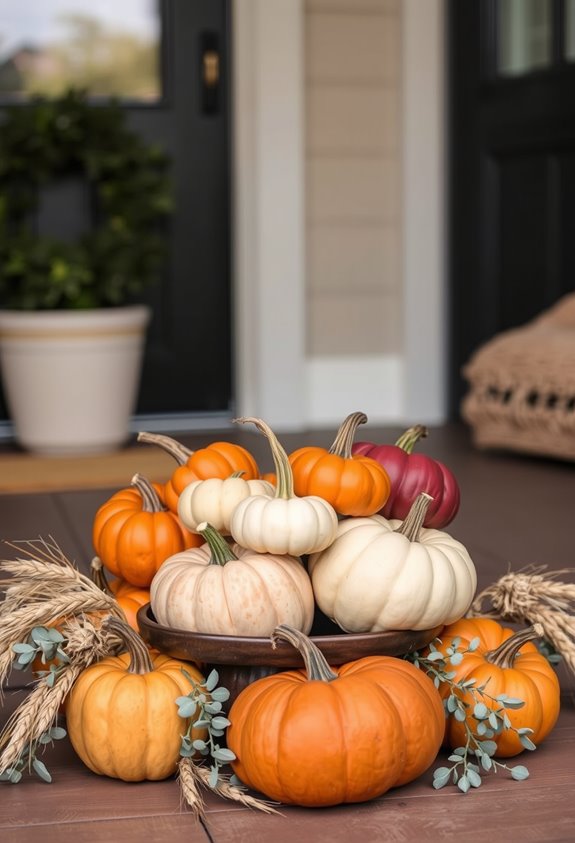
Pumpkins can make or break your entryway, and the difference usually comes down to restraint. Nobody needs seventeen pumpkins competing for attention. Pick three, five, or seven — odd numbers just look more natural.
Start with one large anchor pumpkin, then build around it with medium and small ones. Mix round shapes with elongated ones. Combine smooth surfaces with warty, textured varieties. That contrast does the heavy lifting.
Keep your color palette tight. Orange, white, and green work beautifully together without veering into chaos. Repeat one or two colors so the display feels intentional.
Layer your heights. Taller pieces go back, smaller ones come forward. Add a hay bale or a few pinecones if you want. Just don’t let the accents steal the show. To protect your pumpkins and keep the display looking fresh longer, avoid placing pumpkins directly on the ground.
Light the Space With Candles, Lanterns, and Warm Glow
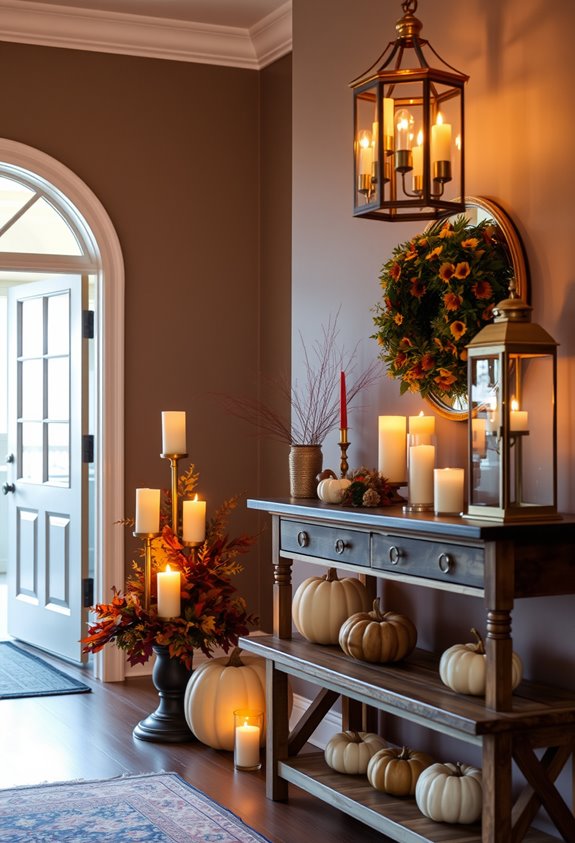
Lighting is the one thing most people get completely wrong in an entryway. One harsh overhead bulb isn’t welcoming. It’s an interrogation room. Warm white light changes everything. It signals comfort before anyone even says hello.
Group candles on a tray or console table. Mix pillar and taper heights. Add a small faux floral or seasonal accent nearby. Suddenly it feels intentional, not accidental. Mirrors amplify that glow and push light deeper into the space — a simple trick that punches way above its weight.
Lanterns belong here too. Pair them beside the door or cluster them near a corner. Flameless candles work just as well if foot traffic is a concern. Safety matters. But warmth? That’s non-negotiable. Your entryway sets the tone. Make it count. Lining your entryway path with lanterns complemented by floral and greenery accents creates a warm, dramatic first impression that draws guests in before they even reach the door.
Add Family Photos, Gratitude Notes, and Personal Details
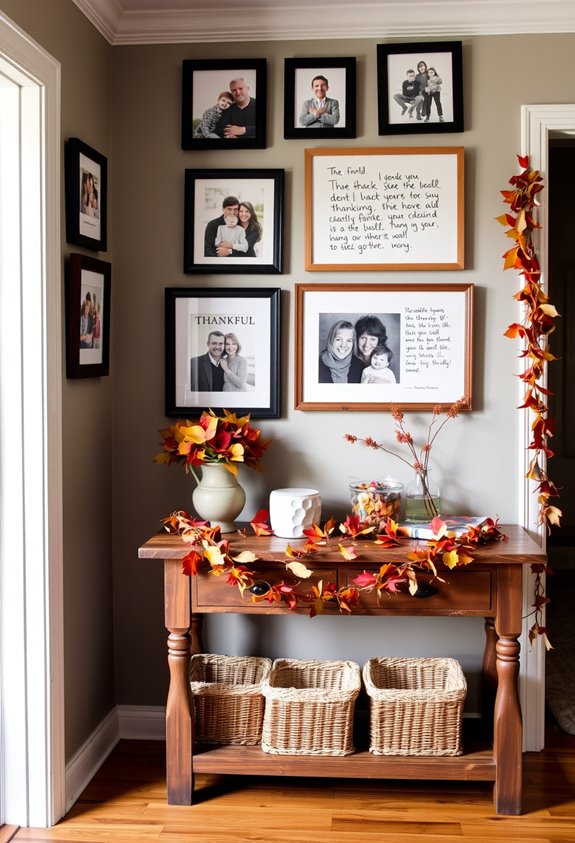
Seasonal decor is easy to buy. Anyone can grab a pumpkin. What you can’t fake is a home that actually looks like yours. That’s where family photos, gratitude notes, and personal keepsakes do the heavy lifting.
A small framed photo on your console table immediately signals that real people live here. Pair it with a vase or some books, and suddenly the arrangement has context. Add a handwritten note — “give thanks,” “gather here” — and guests have something to actually feel.
Heirlooms work too. An old brass piece, an antique dish, a vintage book your grandmother owned. Group them intentionally. Don’t scatter things randomly and call it styled. A small ceramic or wood bowl makes a natural home for keys, sunglasses, and phones, and guests will instinctively use a key and catch-all bowl without needing to be told.
Personal details beat generic decor every time. Your entryway should whisper your family’s story before anyone says a word.
Keep Your Thanksgiving Entryway Functional During Guest Traffic
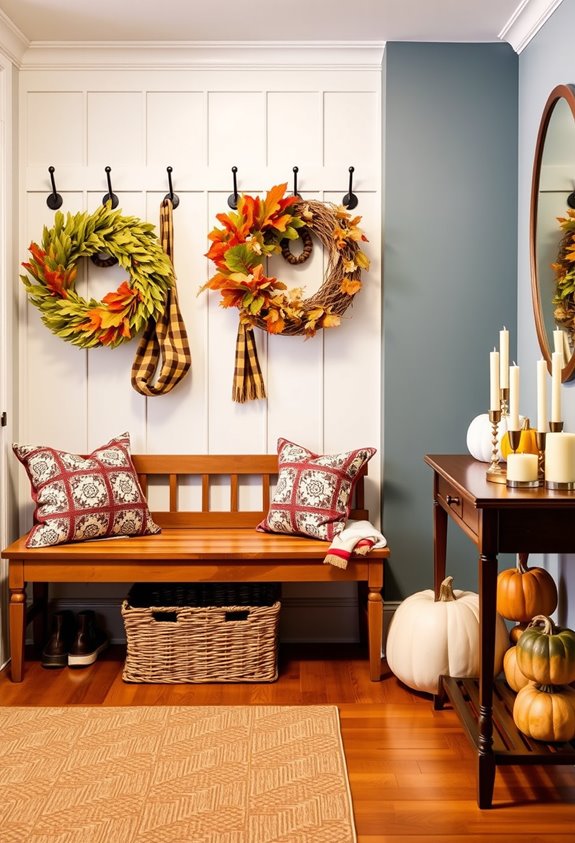
Decorating your entryway is the fun part. Keeping it functional when fourteen people show up at once? That’s the real test. Treat your foyer like a transit hub, not a display case. Clear the clutter before anyone arrives. Remove off-season gear, bulky furniture, and anything that creates bottlenecks near the door.
Set up dedicated zones. Wet shoes near the door. Coats on hooks. A surface for keys and bags. Make it obvious enough that guests don’t need instructions.
Add extra hangers. Seriously. Nothing derails an arrival faster than a full coat closet. Move your everyday outerwear to a bedroom or garage and free that space up for guests.
Keep pathways open. Add lighting. Place a boot tray near the entrance. Consider a freestanding coat rack with a shoe shelf to keep both coats and footwear contained without crowding the space. Reset daily.
Frequently Asked Questions
How Early Before Thanksgiving Should I Start Decorating My Entryway?
Start in late August or early September. That’s your sweet spot. Kick off with general fall elements first — think warm textures and seasonal colors — then layer in Thanksgiving-specific accents come November. It’s a staggered approach, and it works. You’ll get a longer display without looking like you’re rushing the holiday.
Prefer something simpler? After Halloween works fine too. There’s no strict rule here. Go with what fits your household’s vibe.
Can I Reuse My Thanksgiving Entryway Decor for Christmas Afterward?
Yes, you absolutely can. Skip the turkey motifs and overtly harvest-themed stuff — those have to go.
But evergreen garlands, lanterns, wreaths, pinecones, and neutral planters? They carry straight into Christmas. The trick is simple: keep the base, swap the accents. Pull out the orange florals, add white blooms or red berries, layer in some plaid ribbon. Done. Buy neutral from the start, and you’re basically shopping for two holidays at once.
How Do I Decorate a Thanksgiving Entryway Without a Console Table?
You don’t need a console table. Seriously, you don’t.
Mount wall shelves for pumpkins and candles, hang a mirror, and build a gallery wall.
On the floor, layer a runner, group gourds beside a bench, and add lanterns for warmth.
Hooks handle coats. Baskets handle clutter.
Work in two or three earthy tones — burnt orange, mustard, burgundy — and layer vertically.
Keep it clean. Negative space is your friend.
What Scents Work Best for a Welcoming Thanksgiving Entryway Atmosphere?
Think of scent like a handshake — it sets the tone before you say a word.
For Thanksgiving, you’re working with a short list of winners: cinnamon, clove, vanilla, and citrus.
Cinnamon and clove hit hard and fast. Vanilla softens everything. Orange adds brightness without overwhelming.
Don’t go overboard — too much spice and it’s suffocating, not welcoming. Combine them in moderation.
That balance? That’s what makes guests feel like they *belong* there.
How Do I Keep Fresh Pumpkins From Rotting During the Thanksgiving Season?
Pick firm pumpkins with intact stems and zero soft spots. Don’t skip the bleach soak — mix one part bleach to ten parts water, dip your pumpkins, then dry them completely. Moisture is basically rot’s best friend. Store them somewhere cool, dark, and dry, ideally 50–60°F. Rub petroleum jelly on any cut edges. Check them regularly. One bad pumpkin can spread decay faster than you’d think.