This Easter, you’ll love creating three magical art projects with your kids that spark creativity and joy. Transform ordinary eggs into stunning rainbow marbled masterpieces using nail polish and warm water, craft adorable cotton ball bunnies with googly eyes on construction paper, and weave colorful Easter baskets from simple paper plates. These hands-on activities combine artistic expression with seasonal fun, and there’s so much more to explore with each unique project.
Design Highlights
- Create Rainbow Marbled Easter Eggs using nail polish and warm water for stunning swirled patterns that fascinate kids.
- Design Cotton Ball Bunny Pictures with simple materials like construction paper, glue, and googly eyes for personalized artwork.
- Make woven Easter baskets from paper plates, developing fine motor skills while crafting functional holiday decorations.
- All three projects use readily available materials and are suitable for various age groups and skill levels.
- Each craft allows children to express creativity through color choices, patterns, and unique personal touches.
Rainbow Marbled Easter Eggs
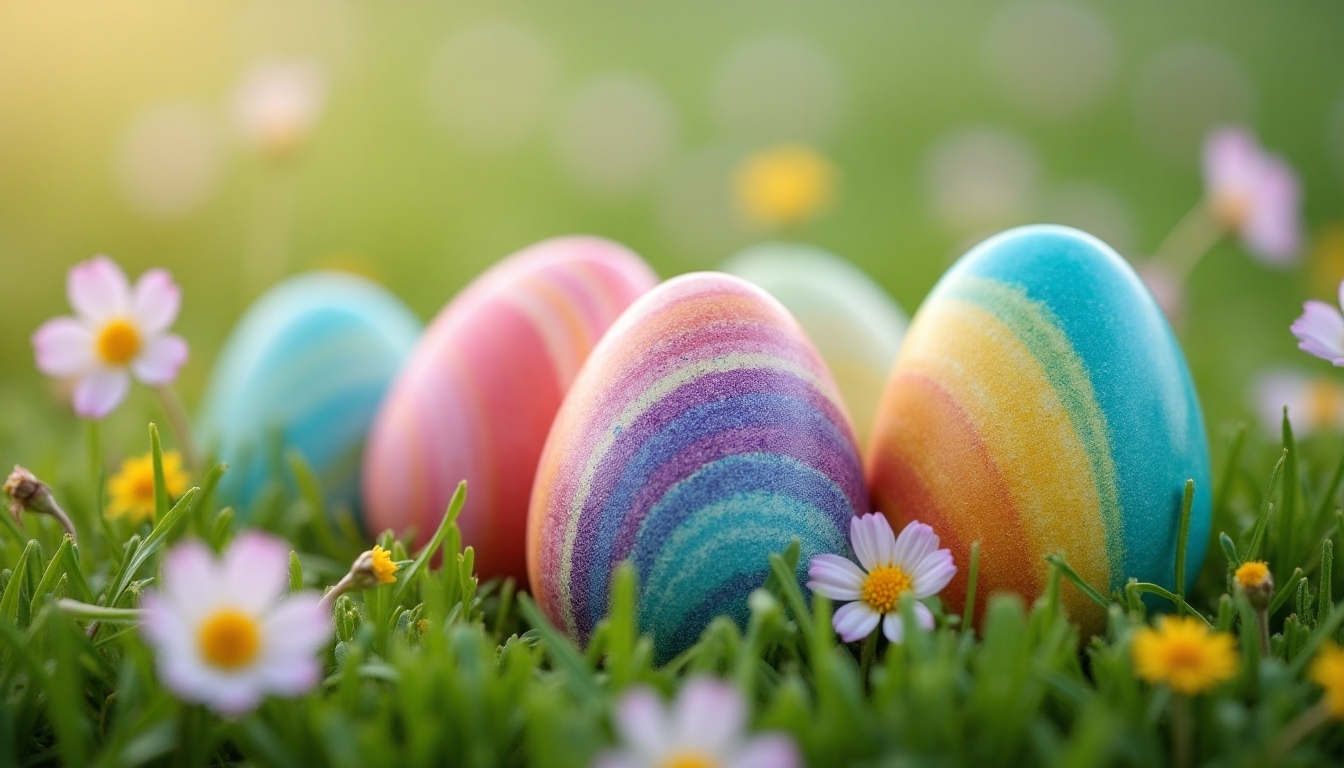
When you’re looking for a stunning Easter egg decorating technique that’ll wow both kids and adults, rainbow marbled eggs are an absolute showstopper. You’ll love creating these beautiful swirled patterns using simple materials from your kitchen.
Start with room-temperature hard-boiled eggs and gather your favorite nail polish colors. Fill a container with warm water, then add drops of polish to create a floating design. Gently dip each egg through the surface, and watch as magical patterns wrap around the shell. Let your creativity shine as you mix colors and create unique designs that’ll make your Easter celebration extra special. Additionally, consider incorporating decorative items from your kitchen decor to enhance the festive atmosphere.
Cotton Ball Bunny Pictures

Moving from colorful eggs to cuddly creations, these adorable cotton ball bunny pictures will bring out your child’s artistic spirit. You’ll need white cotton balls, construction paper, glue, markers, and googly eyes to create these fluffy friends.
Help your little one draw a simple bunny outline on colored paper, then guide them in gluing cotton balls within the shape. Add pink paper for the inner ears, googly eyes for personality, and a small pom-pom nose. Your child can personalize their bunny with whiskers, a bowtie, or even a tiny basket filled with Easter eggs. For an added touch, consider incorporating creative Easter decor ideas that can make your backyard festive and fun this holiday season.
Paper Plate Easter Basket Weaving
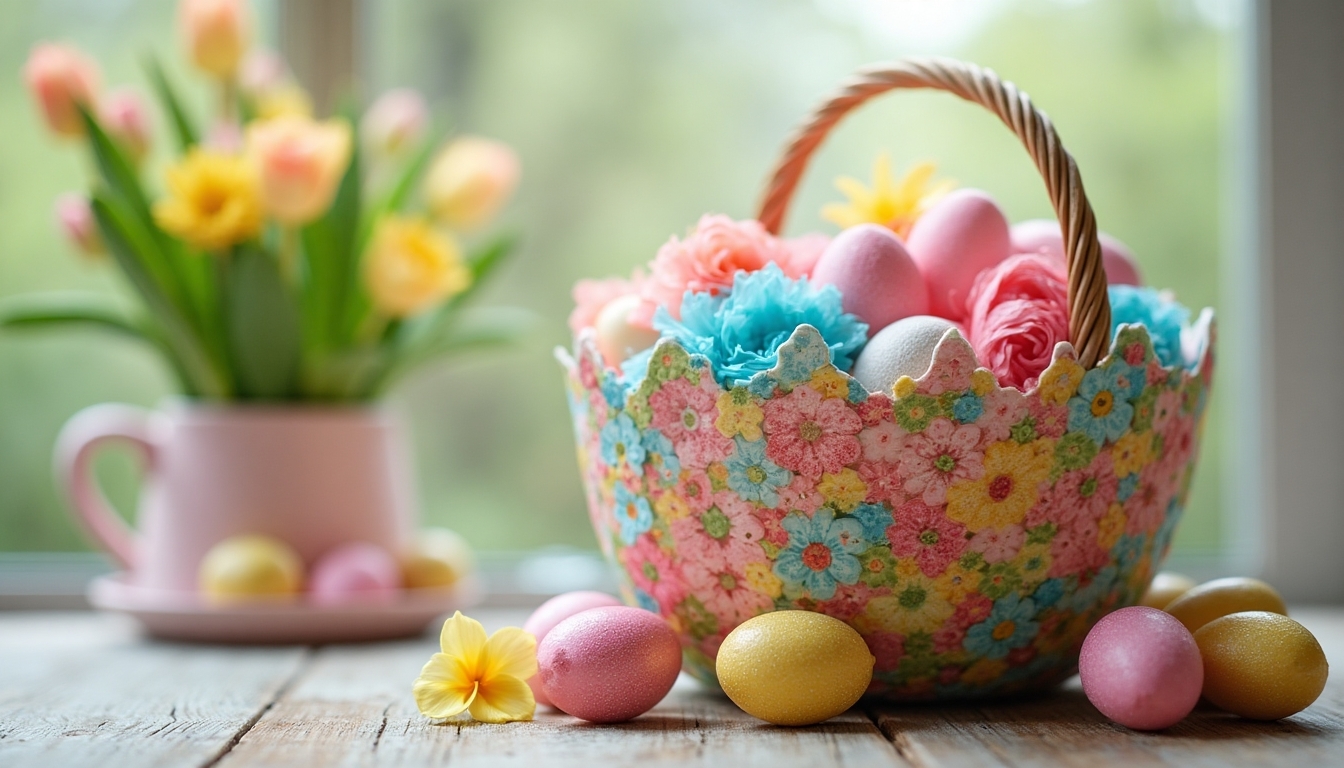
Transform a simple paper plate into a delightful Easter basket with this engaging weaving project that’s perfect for developing fine motor skills. You’ll love watching your creation take shape as you weave colorful strips through the plate’s carefully cut slots.
Start by cutting evenly spaced slits around the rim of your paper plate, then fold the plate’s edges up to form your basket’s sides. Choose your favorite pastel or bright-colored paper strips, and weave them in and out of the slits. Don’t worry if it’s not perfect – each basket becomes uniquely special. Add a handle with construction paper, and you’re ready to collect Easter eggs! Plus, you can decorate your basket with charming Easter kitchen table decor to make it even more festive for the holiday!
Frequently Asked Questions
How Far in Advance Can Easter Eggs Be Decorated Without Spoiling?
You’ll want to plan carefully when decorating Easter eggs to keep them fresh and safe. If you’re using hard-boiled eggs and plan to eat them, decorate them no more than 2 days before Easter and store them in the refrigerator. For eggs that are just for display, you can decorate them up to a week ahead if you’ve blown out the contents first. Remember, your beautiful creations will last longer if you keep them cool!
What Natural Dye Alternatives Can Be Used for Egg Coloring?
You’ll love using these natural ingredients from your kitchen to create beautiful Easter egg dyes! Try boiling red cabbage for blue, onion skins for orange, turmeric for yellow, and beets for pink. Coffee grounds will give you brown, while spinach creates lovely green shades. Simply simmer your chosen ingredient in water for 15-20 minutes, strain the liquid, and add a splash of vinegar. These natural dyes are safe, eco-friendly, and create unique, earthy colors.
Are There Gluten-Free Options for Easter Art Supplies?
Want to make sure everyone can safely join in the Easter fun? You’ll be happy to know there are plenty of gluten-free art supplies available! Most modeling compounds, like Crayola Model Magic and Play-Doh’s gluten-free options, are perfect for crafting. You can also use washable paints, colored pencils, markers, and stickers. For egg decorating, try paint pens or adhesive gems. If you’re making paper crafts, construction paper and cardstock are naturally gluten-free and perfect for your projects.
How Can Leftover Easter Craft Materials Be Stored for Next Year?
You’ll love how easy it is to keep your Easter craft supplies fresh for next year! Store paint, markers, and glue in airtight containers to prevent drying out. Keep your decorative items, like ribbons and stickers, in clear plastic bins with labels, so you’ll know exactly what you have. Don’t forget to place delicate materials, such as sequins and glitter, in small, sealed jars. Store everything in a cool, dry place away from direct sunlight.
What Are Some Easter Craft Ideas for Children With Sensory Sensitivities?
You’ll find that Easter crafts can be a wonderful experience for your sensory-sensitive child when you choose the right activities. Try using soft, lightweight materials like feathers and cotton balls for gentle texture exploration, or create Easter cards with smooth foam shapes. You can also make mess-free sensory bags filled with colorful rice and Easter trinkets, or use noise-reducing headphones while working with quiet materials like felt and pipe cleaners.